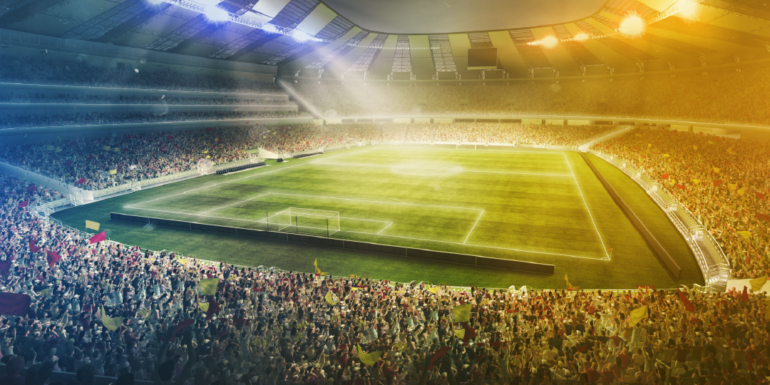
When a global event as big as the FIFA World Cup hits your city, you either prepare for it or miss the moment.
As Houston gears up to host matches for the upcoming World Cup, business leaders across the city are wondering how to capitalize on this opportunity.
I believe the answer lies in preparation, positioning, and proactive strategy.
Houston is no stranger to large-scale events. From the Super Bowl to international conventions, the city has consistently demonstrated its ability to welcome global audiences. But the World Cup is different. It brings not just visitors, but worldwide visibility, extended tourism cycles, and international media attention.
It is an economic catalyst for every host city.
Table of Contents
Why the World Cup Is a Game-Changer for Houston
Global sporting events have a proven track record of generating measurable economic impact for host cities. They drive increased tourism, higher hotel occupancy rates, restaurant and nightlife growth, expanded transportation demand, and noticeable surges in retail spending. Beyond immediate revenue, these events also deliver widespread media exposure across international markets, placing host cities firmly on the global stage.
The World Cup is expected to bring hundreds of thousands of visitors to Houston, along with millions of digital impressions through broadcasts, social media, and international coverage. This influx signals a powerful economic moment for the city.
For local businesses, the opportunity unfolds on two levels. First, there is the immediate potential to capture in-person spending from visiting fans, media professionals, and international travelers. Second, there is the longer-term opportunity to leverage Houston’s global visibility to strengthen brand recognition and attract future customers well beyond the tournament.
The businesses that stand to benefit most will not be those that simply keep their doors open during the event. The true winners will be those who prepare well before the first match begins.
1. Position for International Foot Traffic
Houston’s hospitality, retail, food, and entertainment sectors stand to see immediate gains.
By implementing multilingual signage and menus, businesses can remove the friction of language barriers, making international guests feel seen and welcomed.
Strategic operational shifts are equally critical for capturing this increased demand. Extending operating hours ensures that fans returning from late-night matches or those adjusted to different time zones have consistent access to dining and retail options. Furthermore, businesses should look toward physical transformations, such as creating outdoor activation spaces or hosting watch parties, to tap into the high-energy, communal atmosphere that defines global soccer culture.
International visitors will appreciate the convenience and the quality of the experience. Providing clear, easy-to-digest transportation and access information helps guests navigate an unfamiliar city.
This creates a true win-win dynamic. Visitors enjoy hospitality and immersive experiences that make their trip more enjoyable. At the same time, businesses benefit from stronger customer engagement, higher spending, and long-term brand impressions that extend well beyond the tournament.
When preparation meets hospitality, both the local economy and the global guest leave better off.
2. Create Event-Based Experiences
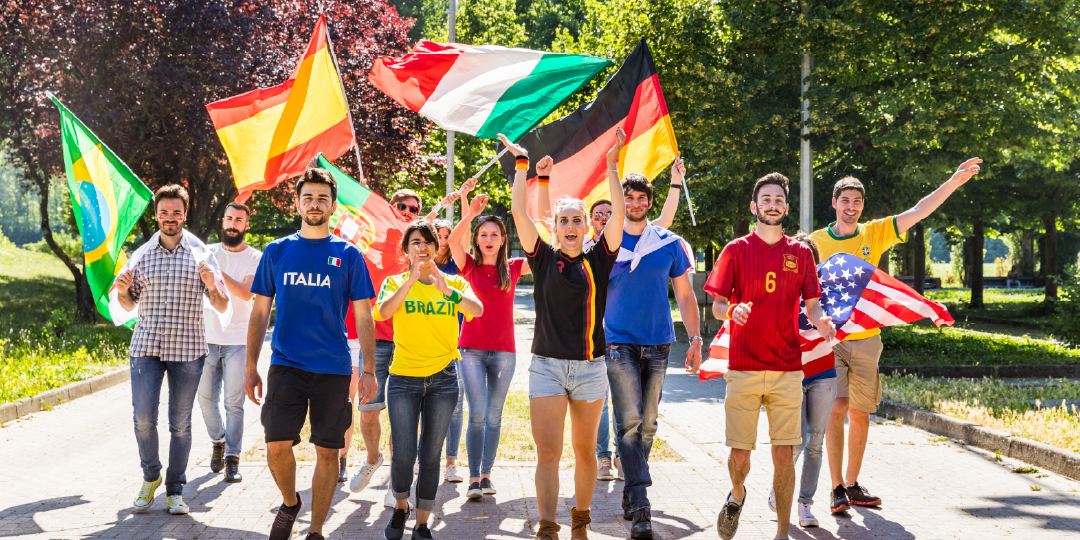
The World Cup is built on energy and community. Businesses that replicate that atmosphere will thrive.
Consider:
- Watch parties
- Limited-edition merchandise
- Team-themed specials
- Collaboration with local influencers
- Branded photo installations
- Pop-up activations
This aligns with a broader retail trend: experience-based commerce. Physical spaces are no longer just transactional environments. They are experiential brand hubs. And the World Cup amplifies this dynamic.
3. Leverage Digital Visibility Beyond Game Day
While increased foot traffic during the World Cup will boost revenue, digital amplification may be even more impactful. Global events drive significant online search and social media activity, making digital visibility essential for Houston businesses.
Optimizing Google listings, running targeted ads during match weeks, posting consistent social content, using event-related hashtags, and capturing visitor emails can extend reach far beyond game day. International visitors will search for businesses before and during their stay, and a strong digital presence ensures your brand appears in that decision-making moment.
4. Think Beyond the Final Whistle
The World Cup may last weeks, but its impact can extend for years. Houston will gain global exposure, expanded tourism credibility, strengthened international connections, and increased investor visibility.
Businesses that capture data, build relationships, and create memorable experiences during this period can convert visitors into repeat customers and long-term brand ambassadors.
The event brings lasting opportunities.
Final Take
The World Cup coming to Houston is a strategic business moment. Companies that combine operational readiness, experiential engagement, and digital amplification will see the greatest return.
In an era where retail and service industries are already evolving toward community-centered, experience-driven models, the World Cup provides a powerful catalyst. Houston is on the global stage.
Seize the opportunity.